

GLP-1 Diet (Rybelsus® / Mounjaro®)
What Is GLP-1?
GLP-1 is a type of hormone (an incretin) secreted in the body after meals, with actions such as “naturally suppressing appetite,” “slowing the movement of the stomach,” and “preventing rises in blood sugar.” The drugs that apply this action of GLP-1 are Rybelsus® (an oral type) and Mounjaro® (a once-weekly injection type). Both are originally approved as drugs for diabetes, but they have also attracted medical attention for weight management and the treatment of obesity.
Features of the Drugs
| Name | Usage | Features |
|---|---|---|
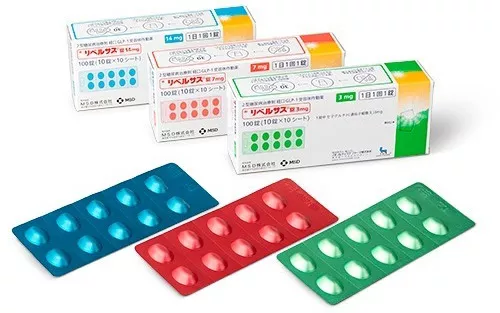
| Rybelsus® (semaglutide) | Once a day, taken right after waking in the morning with half a cup of water (about 120 mL or less). For 30 minutes after taking it, avoid eating, drinking, and taking other medications. | An oral GLP-1 receptor agonist. Recommended also for those who dislike injections. Has appetite-suppressing and blood-sugar-stabilizing effects. |
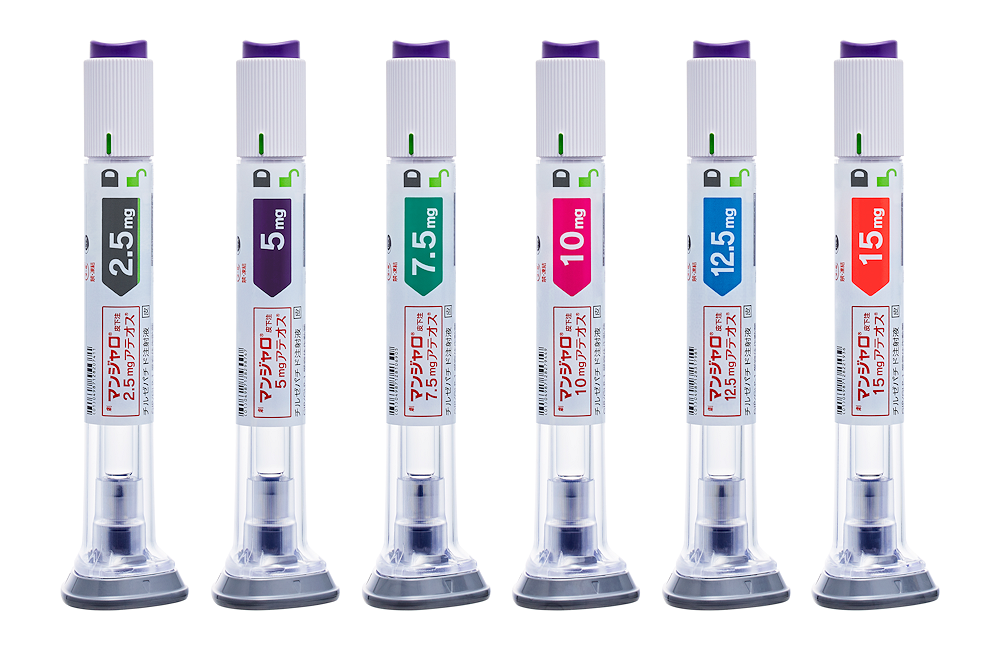
| Mounjaro® (tirzepatide) | Once a week, subcutaneous injection (self-injection possible). Used on the same day of the week and at the same time. | A “dual agonist” that acts on two types of hormone, GLP-1 and GIP. A stronger appetite-suppressing and metabolism-improving effect is expected. |
Mounjaro
Rybelsus
Mechanism of Action
- Acts on the satiety center of the brain to naturally suppress appetite
- Slows the movement of the stomach, making it easier to feel full with a small amount
- Prevents rapid rises in blood sugar and suppresses the accumulation of fat
Through these actions, it leads you toward a “constitution that does not overeat” and supports weight control without forced dietary restriction.
Recommended For
- Those who tend to overeat
- Those who are not good at exercise or are too busy to find the time
- Those who want to continue with an oral drug rather than an injection (Rybelsus)
- Those who want a higher metabolic improvement (Mounjaro)
About Side Effects
Gastrointestinal symptoms are mostly seen. These often appear temporarily in the early stage and gradually improve.
Common side effects
- Nausea, indigestion, abdominal bloating
- Constipation or diarrhea
- Decreased appetite, fatigue
- Redness or itching at the injection site (Mounjaro)
Rare serious side effects
- Acute pancreatitis (upper abdominal pain, back pain, vomiting, etc.)
- Hypoglycemia (especially when used together with other diabetes drugs)
- Gallstones (pain in the upper right abdomen, fever, jaundice, etc.)
If symptoms are strong or persist, be sure to consult the doctor.
Those Who Cannot Use It
The following people cannot use GLP-1 preparations.
- Those with type 1 diabetes
- Those with a severe gastrointestinal disorder (gastritis, gastric ulcer, intestinal obstruction, etc.)
- Those who have had pancreatitis in the past
- Those with medullary thyroid cancer (or a family history of it)
- Those with multiple endocrine neoplasia type 2 (MEN2)
- Those who are pregnant or breastfeeding
- Those with severe liver or kidney impairment
Also, for those taking other diabetes drugs or those who are underweight, the doctor may decide to refrain from use.
Frequently Asked Questions (FAQ)
Q How much weight can I lose with the GLP-1 diet?
A
The degree of weight loss varies by individual, but in clinical trials a weight reduction of about 5–15% over a few months to a year has been reported with GLP-1 preparations. While keeping safety in mind, you can expect a greater effect by combining it with a review of your diet and moderate exercise.
Q Isn’t GLP-1 treatment dangerous?
A
GLP-1 preparations were originally developed as drugs for diabetes, and treatment can be carried out safely when used under appropriate medical supervision. We prescribe them after checking your medical history and condition at the examination. GLP-1 preparations are considered drugs with which hypoglycemia is unlikely to occur on their own, but follow the directed dosage and consult the doctor if there is any change in your condition.
Q How long do the side effects last?
A
Gastrointestinal symptoms such as nausea and stomach discomfort may be seen, but in most cases they ease within a few weeks of starting treatment.
Q Will my weight come back if I stop GLP-1 treatment?
A
If your lifestyle does not change, your weight may come back. At our clinic, we support weight management by reviewing your lifestyle and combining other treatments as needed.
Q Can it be combined with biguanide drugs?
A
Yes. GLP-1 preparations mainly have an appetite-suppressing action, while biguanides are drugs that improve blood-sugar metabolism. Because their mechanisms differ, combining them can, depending on your constitution, stabilize weight management.