

Massage Peel
What Is a Massage Peel?
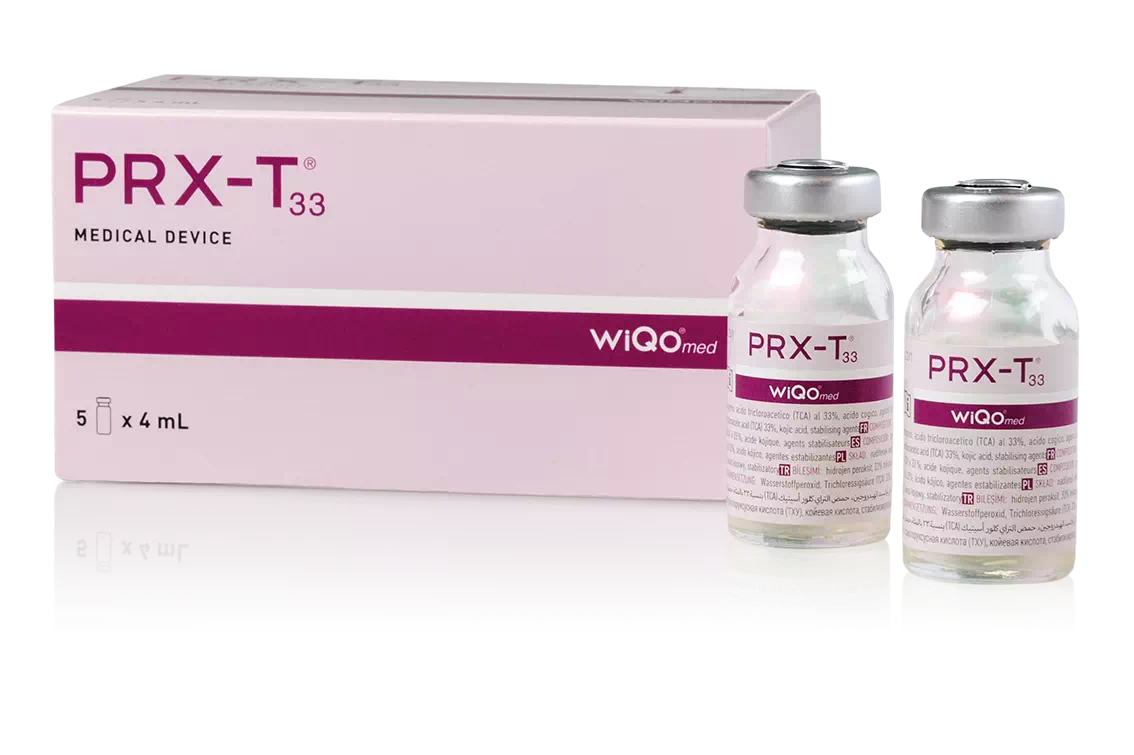
A massage peel is a new kind of peeling treatment that uses a solution called “PRX-T33,” developed in Italy. It is also called a collagen peel. Without peeling away the epidermis, it reaches the deep dermis and strongly promotes collagen production.
It is popular not only for creating firmness and glow but also among those concerned about sagging, dullness, fine wrinkles, and dryness.
The treatment itself takes about 15 minutes. The solution is gently worked in while massaging, and once it is wiped off, you are done. Because there is basically no pain during the treatment and no downtime, it is an easy option to try even for those receiving aesthetic medicine for the first time or who feel apprehensive.
A Massage Peel Is Recommended For
- Those concerned about a loss of firmness or glow
- Those concerned about sagging, dullness, or fine wrinkles
- Those concerned about freckles
- Those who want to care for blackheads in the pores
- Those who want to care for wrinkles on the neck
- Those who want a treatment with little downtime
- Those who are afraid of pain during treatment
The Massage Peel Solution
PRX-T33, used as the massage peel solution, contains 33% trichloroacetic acid, a low concentration of hydrogen peroxide, and 5% kojic acid. Trichloroacetic acid acts down into the dermis and has a strong peeling effect, but its drawback is that it tends to cause strong inflammatory reactions such as peeling of the epidermis.
By blending in hydrogen peroxide, which suppresses the epidermal peeling caused by trichloroacetic acid, you can receive a treatment with little damage while keeping the benefits of trichloroacetic acid. Kojic acid is an ingredient that addresses skin brightening and moisturizing, helping to improve spots, dullness, and pigmentation.
The Difference Between a Massage Peel and Conventional Chemical Peeling
Both are peeling treatments and are the same in that a solution is applied directly to the skin, but they act on different layers of the skin. Chemical peeling acts on the epidermis, while a massage peel acts on the dermis.
Chemical peeling applies an acid-containing solution to the epidermis and exfoliates the keratin layer, promoting the skin’s turnover. Its features are that it can address acne, acne scars, excess sebum production, and blackheads in the pores. A downside, however, is that peeling and redness can occur as the turnover is promoted.
A massage peel, on the other hand, applies the Italian-made solution PRX-T33 to the dermis and promotes collagen production. Its features are that it improves the skin’s firmness and glow and can address spots, dullness, sagging, and pigmentation. You can obtain the benefits of peeling while limiting damage.
Risks and Side Effects of a Massage Peel
You may feel some discomfort during the treatment
When the solution is applied, you may feel discomfort such as a tingling sensation, an itchy feeling, or warmth. However, because it contains an ingredient that prevents skin peeling, there is almost no pain.
Downtime symptoms may appear
A massage peel basically has almost no downtime. However, some people may experience symptoms such as redness, dryness, or peeling after the treatment. Those with sensitive skin in particular should take care. Even if symptoms appear, they settle down in about two to three days as long as you moisturize well.