

Ultraviolet Phototherapy
What Is Ultraviolet Phototherapy?
Ultraviolet phototherapy is a type of light therapy classified as a physical therapy. Ultraviolet light has a short wavelength within sunlight, and is further divided by wavelength into long-wavelength ultraviolet UVA (320–380 nm), medium-wavelength ultraviolet UVB (290–320 nm), and short-wavelength ultraviolet UVC (190–290 nm).
The shorter the wavelength, the lower the penetration and the higher the energy. UVC is used in germicidal lamps to kill bacteria on the skin’s surface, while UVA and UVB are used for treatment in dermatology. UVA is used in combination with a phototoxic substance called psoralen, but the one most commonly used clinically is UVB. Ultraviolet light at 311 ± 2 nm in particular is called narrow-band UVB (NB-UVB) and is considered more effective and less prone to side effects than conventional UVB therapy.
Alongside NB-UVB, the most commonly used is the 308 nm excimer light, a targeted type of phototherapy suited for aiming at lesions over a small area. Our clinic is equipped with two medical devices that emit UVB, NB-UVB and excimer light, and uses them selectively depending on the patient.
The conditions for which ultraviolet phototherapy is indicated are described later.
First, we explain the general side effects of ultraviolet phototherapy.
Side effects include both short-term and long-term ones.
In the short term, just as when you get sunburned at the beach, the skin can become red, develop pigmentation, or form blisters. (To prevent this, we start at a low output and gradually increase it. But if it is too weak there is no effect.)
In the long term, there can be a risk of photoaging of the skin (wrinkles, sagging) and of carcinogenesis. The risk of carcinogenesis is the greatest concern, but it is theoretical, based on the idea that because ultraviolet light damages DNA it should make cancer more likely; there is no actual data showing that skin cancer has increased with ultraviolet phototherapy.
Even so, when the patient is a child, it is important for the parents to think it over carefully and decide whether to undergo ultraviolet phototherapy, taking into account that effects could occur in the distant future.
As for frequency, although it depends on the condition, it is best to do it about twice a week, but many patients cannot come in that often, and in practice it is often about once every one to two weeks. While combining it with other treatments such as oral or topical medication according to the condition, it is important to continue patiently until the effects appear.
Conditions for Which Ultraviolet Phototherapy Is Indicated (Insurance-Covered Conditions)
As of 2025, ultraviolet phototherapy is covered by insurance for psoriasis, parapsoriasis, palmoplantar pustulosis, mycosis fungoides, malignant lymphoma, pityriasis lichenoides chronica, vitiligo, atopic dermatitis, and alopecia areata. We will explain the details of ultraviolet phototherapy for a few of these.
Atopic dermatitis
A condition in which there is an underlying state of reduced skin barrier function and a predisposition to allergic reactions, onto which various irritants are added to produce eczema and dermatitis that becomes chronic. It can develop in infancy or in adulthood.
The guidelines state that “ultraviolet phototherapy may be performed for moderate or more severe, treatment-resistant atopic dermatitis that does not improve with appropriate topical therapy, skincare, and measures against aggravating factors, or that has developed side effects from other treatments.” Even if itching improves with ultraviolet phototherapy, it is important not to rely on it, to keep up skincare and topical medication, and not to continue phototherapy aimlessly. NB-UVB is often used, but if irradiating only part of the body, excimer light is also a good choice. When eczema in atopic dermatitis is scratched open, it can gradually become bumpy and turn into a state called prurigo, and applying light to this prurigo alone is also a good use. Coming in about once or twice a week makes results easier to expect.
Learn more about atopic dermatitisPsoriasis vulgaris
Red eruptions with flaky scale form all over the body. They tend to appear in areas prone to irritation. Recently, many biologic drugs, a type that suppresses excess immune activity, have come onto the market, but their use is limited to “cases where existing treatments are insufficiently effective.” Existing treatments include oral and topical medications as well as ultraviolet phototherapy. It is not recommended for children under the age of ten.
As one mechanism by which ultraviolet phototherapy works, it is said that ultraviolet light may suppress the cells that cause the disease while assisting the cells that work toward improvement.
Psoriasis vulgaris often produces symptoms over the skin of the whole body, so at our clinic we use the Daavlin 7, an NB-UVB device that can irradiate a large area at once. Incidentally, nail symptoms are harder to clear than skin symptoms, but excimer light can sometimes be effective on the nails. For irradiating only part of the body, the FlexSys Fit 100 excimer light is also very good. For nails, we start from a slightly stronger setting.
As for frequency, at hospitals patients with severe symptoms may be admitted and treated five times a week, but usually it is at most three times a week. When coming to a clinic as an outpatient, results are easier to expect if you can come once or twice a week, but you also need to watch for side effects. Also, when irradiation is resumed after a long interval, redness tends to appear, so we sometimes restart from a slightly weaker setting.
Currently, the efficacy and safety of combining biologic drugs with ultraviolet phototherapy have not been confirmed, so if you are receiving a biologic at a large hospital and wish to receive only ultraviolet phototherapy at our clinic, please consult your attending physician first.
Palmoplantar pustulosis
A condition in which many small pustules form on the palms and soles, with redness and peeling. It looks like pus, but there are no bacteria. Its onset can be associated with tonsillitis, dental infections, sinusitis, and the like, and it can also cause inflammation in the joints and bones; in such cases, coordination with dentists, otolaryngologists, and orthopedic doctors is necessary.
As for ultraviolet phototherapy, the recommendation grade is the same, C1, for both NB-UVB and excimer light. Because the eruptions of palmoplantar pustulosis cover a small area, and because our NB-UVB is a standing-irradiation type that is hard to apply to the soles, we basically use the FlexSys Fit 100 excimer light. While using topical medication diligently, please receive irradiation about once a week, and once it improves, about once every two weeks.
Alopecia areata
Alopecia areata is a condition in which the hair of the head, eyebrows, beard, and other body hair falls out. Hair loss can have other causes, so it is important to first be examined, undergo tests if necessary, and arrive at a correct diagnosis. In alopecia areata, it is thought that immune cells attack the base of the hair, causing it to fall out.
In the guidelines, both NB-UVB and excimer light have a recommendation grade of B. However, data are limited for cases where all the hair on the head has fallen out, or where not only the scalp but also the eyebrows and body hair have fallen out. In alopecia areata, bald patches of various sizes often form here and there, so at our clinic we mainly use excimer light, which is suited to partial irradiation. The FlexSys Fit 100 excimer light we use can reliably reach even small lesions hidden under the hair. We start at a weak setting and continue at a setting that makes the irradiated area slightly red.
Continuing aimlessly is not good, but since results cannot be expected in one or two months, we assess the effect over six months to a year. Although ultraviolet phototherapy is generally avoided in children, for alopecia areata we sometimes use it, taking into account the psychological burden the hair loss places on the child; still, we avoid carrying it on aimlessly for years and resolve to stop it decisively if it is not working.
Learn more about alopecia areataVitiligo
A condition in which parts of the skin turn white in patches. The detailed cause is unknown, but when the skin is examined under a microscope, the melanocytes, the cells that produce melanin pigment, are found to be malfunctioning and eventually disappearing. There are several other conditions that cause whitening, so if you notice that your skin looks white, you first need to be examined.
In the Japanese Dermatological Association’s vitiligo guidelines, for adult vitiligo NB-UVB has a recommendation grade of B and excimer light a grade of C1, but there are also reports of not a few cases where excimer light was effective for vitiligo on the head and neck that did not respond to NB-UVB. There are also reports that the effect of a type of topical medication called a vitamin D preparation increases when combined with ultraviolet phototherapy, though there are reports that deny this as well.
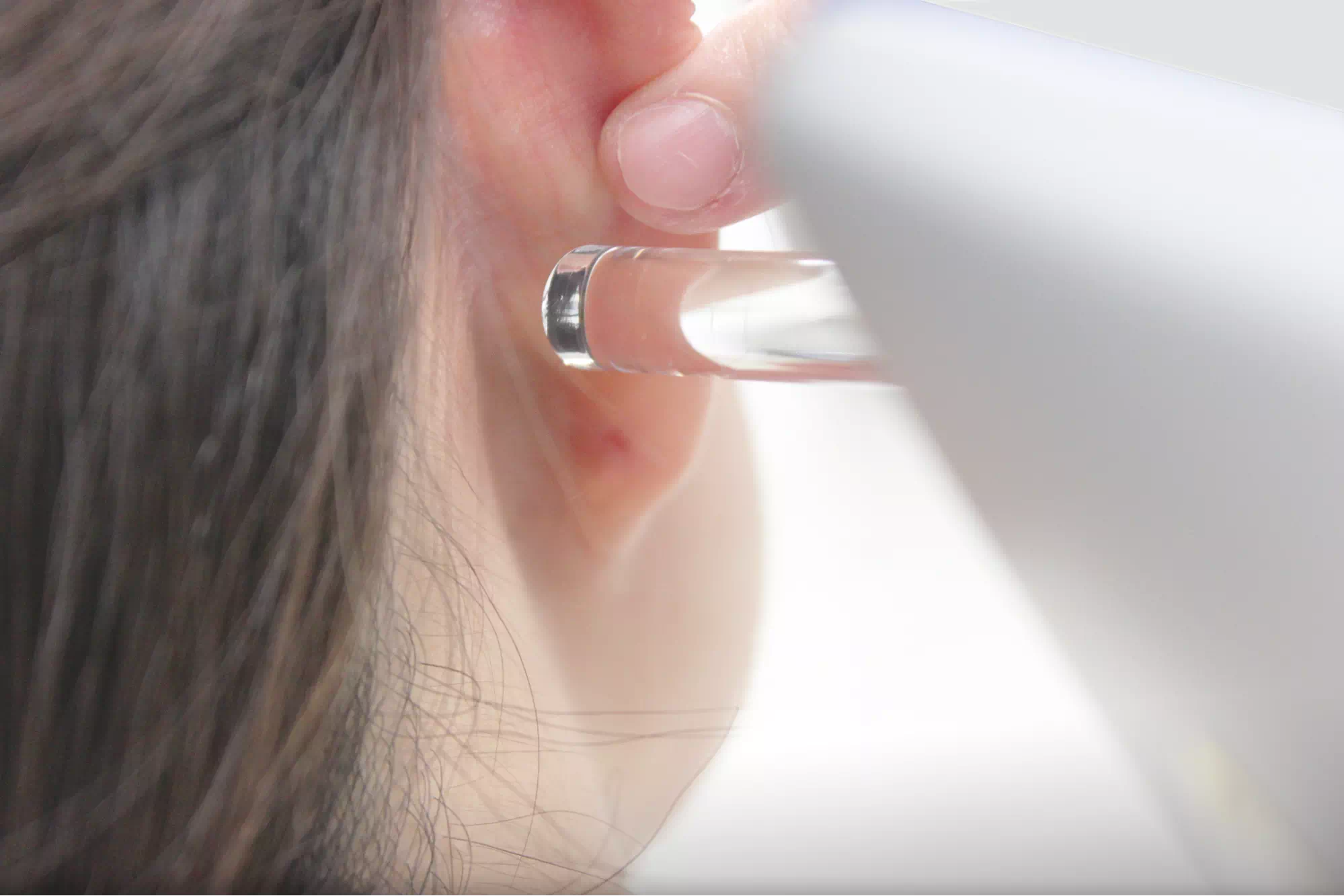
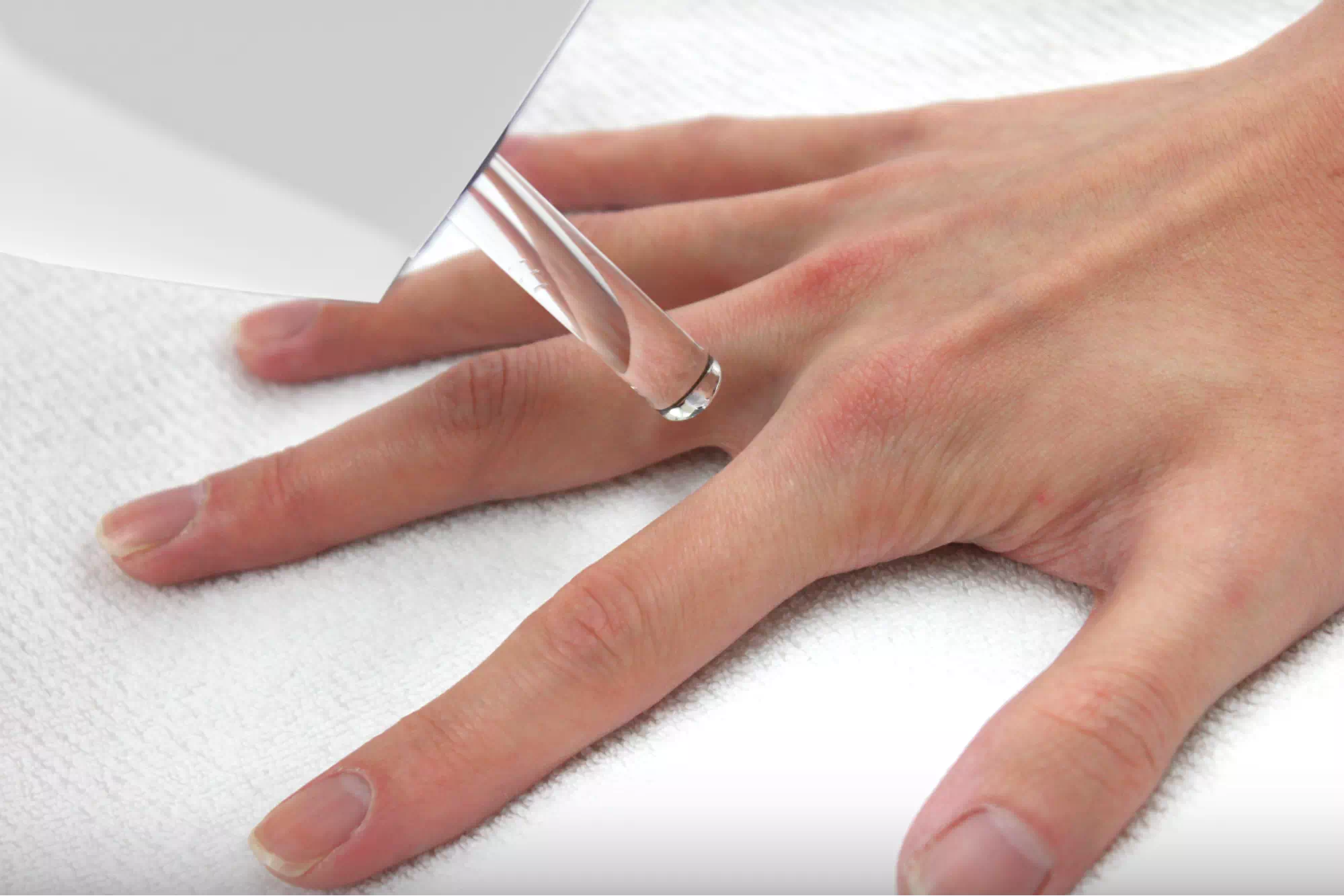
In vitiligo, many small white spots can form, and the FlexSys Fit 100 excimer light we use comes with a quartz chip fitted with a small, long, clear tube as small as 1 cm in diameter; using this, we can reliably reach hard-to-treat areas such as between the eyebrows, between the fingers, and behind the ears. During treatment, if ultraviolet light hits normal skin, that area’s color can darken as if tanned, but by limiting the irradiation area with the quartz chip or other treatment chips, this is easier to avoid. For patients with a large area of vitiligo, on the other hand, we often use the NB-UVB Daavlin 7.
We decide the frequency according to the patient’s lifestyle. More frequent treatment seems likely to be more effective, but there are reports that what matters for the effect is not the frequency but the total number of sessions, so we hope that even busy people will give it a try without giving up.
Mycosis fungoides
A type of cancer called a cutaneous T-cell lymphoma that arises in the skin; in its early stages it presents with symptoms resembling eczema or psoriasis, and as it progresses, tumors or ulcers can form. In the early stages, topical steroids and ultraviolet phototherapy are used. For tumors, radiation or surgical removal may be performed. When ultraviolet phototherapy does not work, oral vitamin A or anticancer drugs may be administered.
Care for lymphoma is best received under a doctor who specializes in lymphoma.
If we find symptoms suggestive of mycosis fungoides at our clinic, we will refer you to a hospital with a specialist, such as nearby International University of Health and Welfare Mita Hospital. Specialists in lymphoma are few nationwide and hospitals with a lymphoma clinic are limited, so the hospital may often be far from your home.
If there is a patient who would like to receive only ultraviolet phototherapy at our clinic, which is close to home or work, please consult thoroughly with your attending physician and come in with a referral letter. Under your attending physician’s instructions, we will carry out regular irradiation. (We would greatly appreciate it if attending physicians would contact us once in advance.)
The Ultraviolet Phototherapy We Provide
An introduction to the ultraviolet irradiation devices we use
Narrow-Band UVB: Daavlin 7 Series (Syneron Candela)
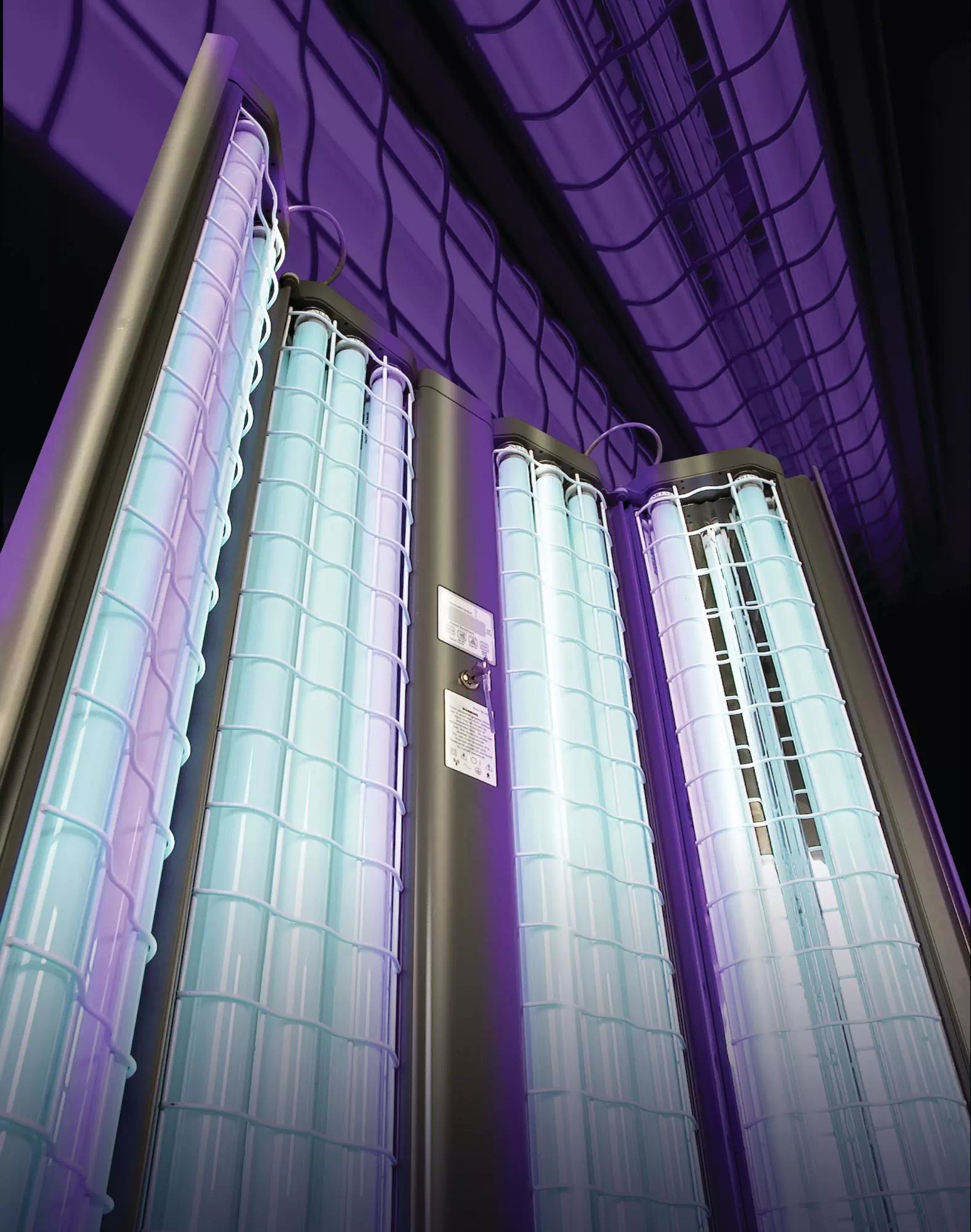
Narrow-band UVB therapy is a treatment that uses a wavelength near 311 ± 2 nm. At our clinic we use the Daavlin 7 Series from Syneron Candela.
The Daavlin 7 is equipped with ten narrow-band UVB lamps, and because its panels open out in a fan shape, it can apply uniform ultraviolet light to a large area at once. You receive irradiation standing, in two sessions for the front and back of the body.
To protect your eyes during irradiation, you wear goggles or glasses like sunglasses. We start at a weak setting and adjust the strength of the ultraviolet light while checking whether redness or a stinging sensation has appeared and whether the symptoms are improving.
As side effects, sunburn-like redness, blisters, pigmentation, and photoaging can occur.
People who have or have had a malignant skin tumor, people with a disease that predisposes them to skin cancer, people who have ingested arsenic in the past, people with a history of radiation (electron beam or X-ray) exposure, and people with photosensitivity such as xeroderma pigmentosum, albinism, porphyria, or photosensitive connective tissue disease cannot receive irradiation. It is not recommended for people taking photosensitizing drugs or immunosuppressants, people with cataracts, or people with autoimmune blistering diseases that worsen with light (such as pemphigus and pemphigoid).
Patients who are wearing cosmetics have heightened skin sensitivity to ultraviolet light. They need to remove their makeup before irradiation or cover the face with a black cloth or the like. Because long-term safety in children has not been established, it is performed only on children aged ten or older with moderate or more severe disease that responds poorly to topical therapy, over as small an area as possible.


Excimer Light: FlexSys Fit 100 (JMEC)
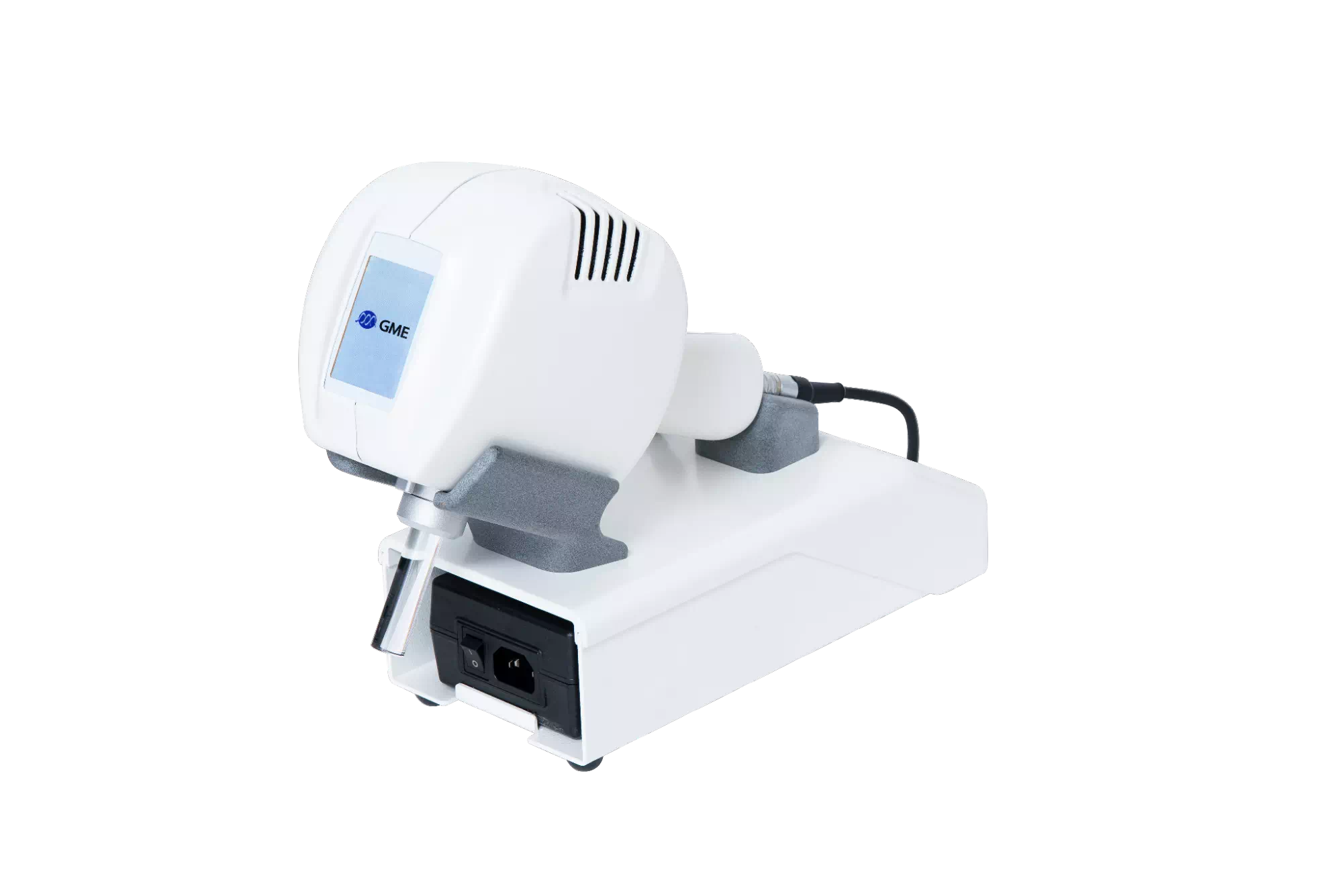
Excimer light therapy is a treatment that uses ultraviolet light with a wavelength of 308 nm.
At our clinic we have introduced JMEC’s FlexSys Fit 100. It is what is called a targeted excimer light and can irradiate small lesions pinpoint. It comes with a quartz chip fitted with a small, long, clear tube as small as 1 cm in diameter, and using this, we can reliably reach areas such as around the eyes, nose, mouth, and ears, under the chin, between the fingers, and places hidden under the hair.
For larger lesions, it comes with a rectangular chip up to 5 × 3.5 cm at the largest, which we use for irradiation. To protect your eyes during irradiation, you wear goggles or glasses like sunglasses. We start at a weak setting and adjust the strength of the ultraviolet light while checking whether redness or a stinging sensation has appeared and whether the symptoms are improving.
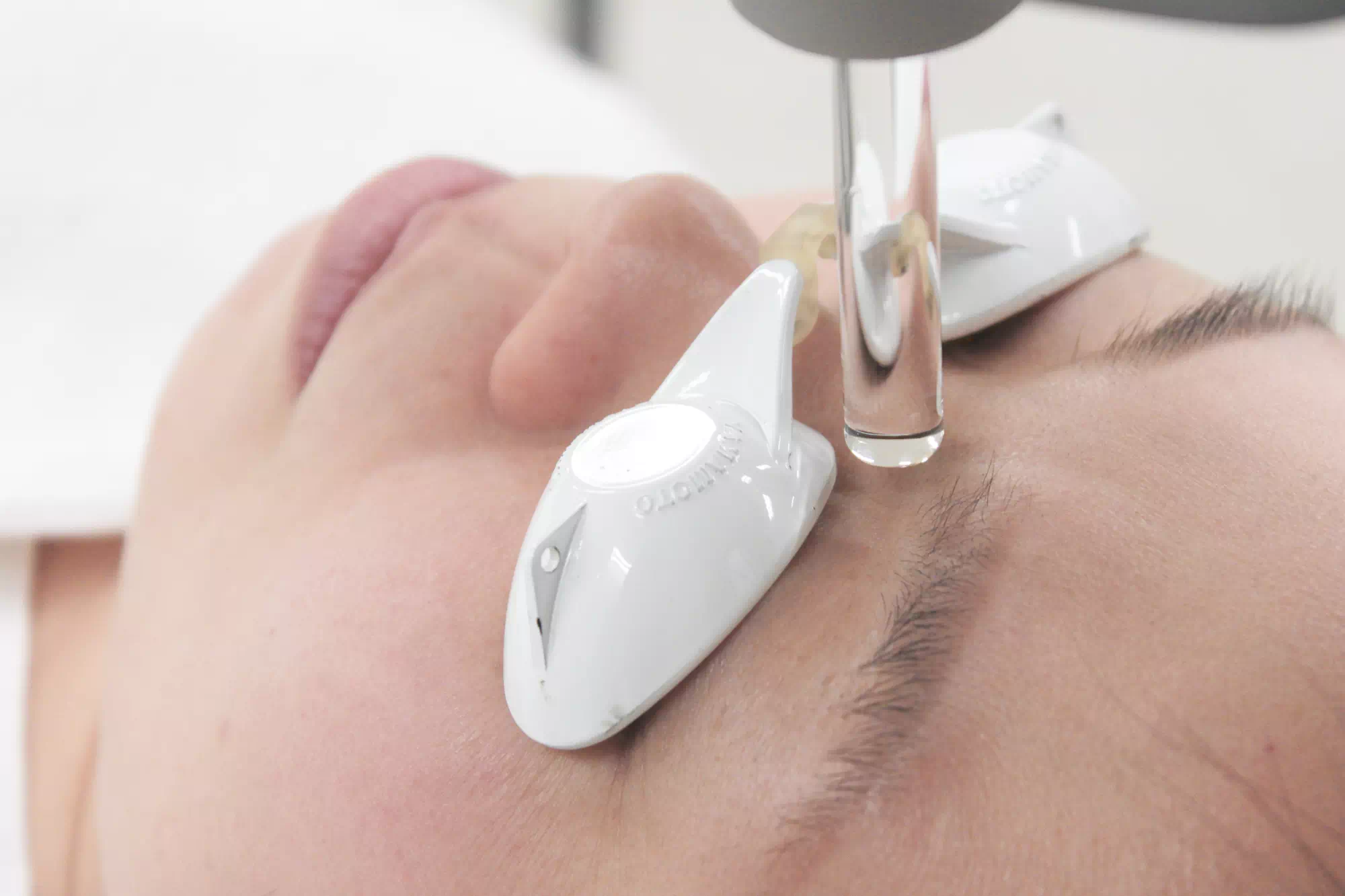
As side effects, sunburn-like redness, blisters, and pigmentation can occur. The safety of the electromagnetic waves emitted by the device for patients with a pacemaker has not been established. People undergoing radiation therapy, people with a skin infection at the treatment site, people with light-related skin problems or sensitivity, people who have had skin cancer, and people receiving combination therapy that uses a photosensitizer cannot receive irradiation. Because it may affect the reproductive organs, it cannot be applied to the male genitals. Safety for pregnant women has not been established.